

Key Takeaways
- Custom food labels are crucial for brand identity: They help businesses showcase their personality, stand out in crowded markets, and create a memorable connection with consumers.
- Eye-catching designs attract attention: Bold colors, creative layouts, and unique typography make products more noticeable and appealing to target audiences.
- Clear and informative labels build trust: Displaying key details like ingredients, certifications, and nutritional information ensures transparency and reassures consumers.
- Compliance with regulations enhances credibility: Adhering to legal labeling standards avoids penalties and fosters consumer confidence, especially for organic or allergen-sensitive products.
- Sustainability is a growing priority: Using eco-friendly materials and practices for labels appeals to environmentally conscious buyers and reflects a brand’s commitment to sustainability.
- Target audience insights drive effective design: Tailoring label design and messaging based on demographic preferences ensures relevance and resonates with specific consumer groups.
When I walk into a store, the first thing that grabs my attention isn’t always the product itself—it’s the label. A well-designed food label doesn’t just tell you what’s inside; it tells a story, sparks curiosity, and builds trust. It’s amazing how something so small can make such a big impact on how we perceive a brand.
Custom food labels are more than just a practical necessity—they’re a powerful branding tool. They let businesses showcase their personality, connect with their audience, and stand out in a crowded market. Whether it’s bold colors, clever typography, or a unique logo, a label can turn a simple product into something unforgettable.
In a world where first impressions matter, custom labels are a game-changer for food brands. They’re not just about looking good; they’re about creating an experience that keeps customers coming back for more.
Importance Of Custom Food Labels And Branding
Custom food labels significantly influence how products are perceived, making them essential for creating a strong brand presence. These labels go beyond simple product identification to establish connections with consumers.
Enhancing Brand Identity
Custom labels allow me to showcase my brand’s personality and values. Whether it’s through a logo, specific colors, or unique typography, consistent visual elements let my audience recognize my products immediately. For instance, using eco-friendly materials on my labels reinforces a sustainable image, appealing to environmentally conscious buyers.
Attracting Consumer Attention
An eye-catching label draws potential buyers, especially in crowded markets. Bold designs, vibrant colors, and creative layouts make my product stand out on the shelf. For example, a premium, minimalistic design often appeals to high-end markets, while playful, colorful labels work well for children’s snacks.
Communicating Key Information
Custom labels serve as the first touchpoint for sharing vital product details. Clear information on ingredients, nutritional values, and certifications builds trust with my customers. If I highlight “Gluten-Free” or “USDA Organic” certifications on my labels, I immediately attract health-focused buyers looking for those specific attributes.
Key Components Of Effective Food Label Design
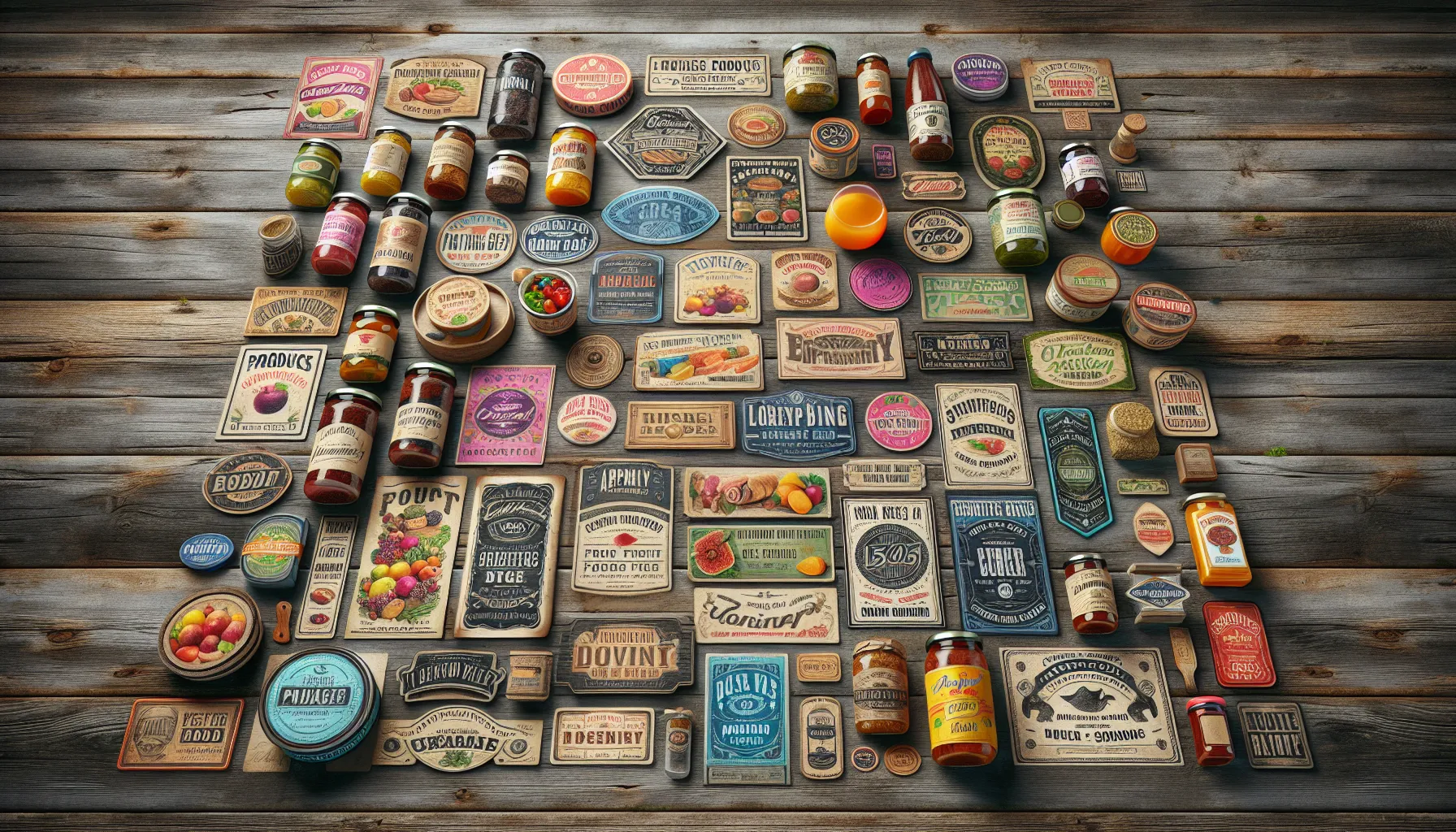
Effective food labels combine design, information, and compliance to create a balance between visual appeal and functionality. Each element contributes to the label’s ability to attract and inform consumers while reinforcing the brand.
Visual Appeal And Design Elements
Using visually compelling elements like colors, fonts, and imagery helps make a food label memorable. I ensure that every feature aligns with the brand’s identity to create consistency across products. High-quality graphics and unique layouts grab attention, particularly in competitive markets. For example, vibrant colors work well for snacks aimed at younger audiences, while minimalist designs are better suited for premium or organic products.
Clear And Informative Text
Text clarity is essential to communicate the product’s features effectively. I focus on concise and legible typography, prioritizing key details like the product name, weight, and ingredients. For example, allergens like nuts or gluten are always highlighted to cater to health-conscious buyers. Including straightforward language avoids confusion and ensures the label supports a positive customer experience.
Compliance With Regulations
Meeting legal requirements ensures the label avoids penalties or recalls. I always incorporate mandatory sections like nutritional facts, ingredient lists, and expiration dates as dictated by the FDA or other governing bodies. For example, products marketed as organic include certified seals to validate their claims. Adhering to these standards builds trust and enhances credibility with consumers.
Benefits Of Investing In Custom Food Labels

Custom food labels drive brand recognition and create opportunities to differentiate products in crowded markets. They combine practicality with marketing appeal, offering several advantages for businesses.
Building Customer Trust And Loyalty
Custom labels promote transparency by clearly displaying ingredients, certifications, and nutritional facts. This reassures buyers, especially those with allergies or dietary restrictions. When customers trust the information on your packaging, they’re more likely to remain loyal to your brand. Labels that reflect authentic values strengthen emotional connections, encouraging repeat purchases.
Differentiating From Competitors
In competitive markets, custom food labels highlight what makes your product unique. Using distinct designs, colors, and messaging ensures your product stands out on shelves. For instance, a clean, minimalist design might appeal to health-conscious shoppers, while vibrant or playful illustrations attract younger audiences. An original label communicates quality and uniqueness, fostering brand recall.
Boosting Sales And Market Presence
Effective custom labels enhance product visibility and influence purchasing decisions. Eye-catching designs capture attention, while clear information convinces shoppers to choose your product. Consistently branded labels lead to broader market recognition, improving word-of-mouth referrals and expanding market reach over time. Strong visual branding increases trust, which directly impacts sales.
Tips For Creating Exceptional Custom Food Labels
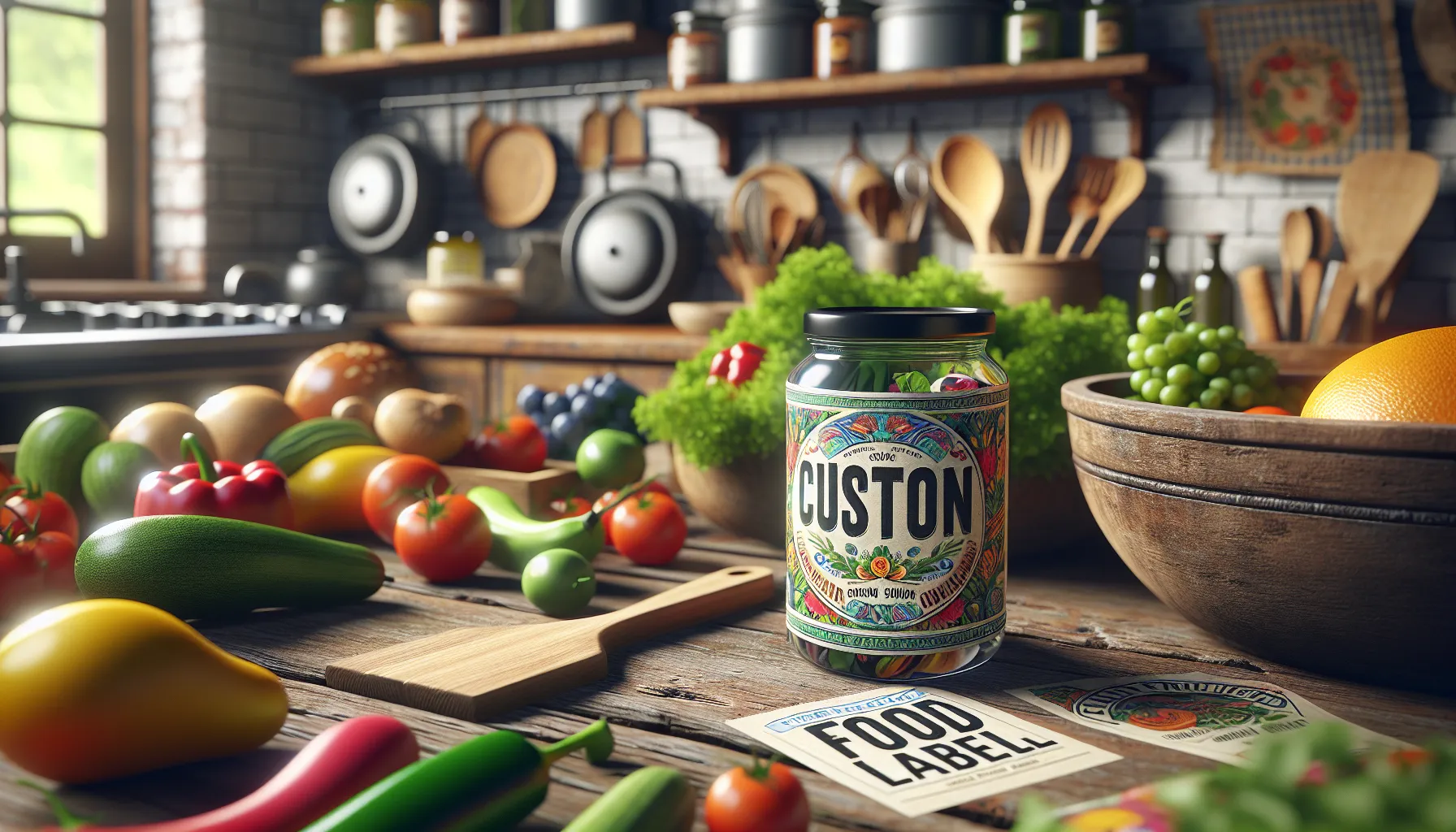
Exceptional custom food labels combine creativity, precision, and a clear understanding of your brand strategy. They must resonate with your audience, use high-quality materials, and reflect sustainability where possible.
Understanding Your Target Audience
I focus on researching my audience’s preferences because this ensures my labels align with their expectations. Leveraging demographic insights, like age, lifestyle, and purchasing habits, helps me tailor designs. For instance, vibrant, fun visuals appeal to younger consumers, while minimalist, clean designs often attract health-conscious buyers. Including details like certifications or dietary labels ensures transparency, especially when targeting specific groups like vegans or gluten-free shoppers.
Choosing High-Quality Materials
Material quality impacts both visual appeal and durability. I prioritize materials suited to the product’s storage conditions; for example, water-resistant materials for refrigerated items prevent label damage. Matte finishes work well for premium products, while gloss coatings add vibrancy for casual, budget-friendly items. Choosing materials compatible with printing techniques maintains consistency in color and design.
Incorporating Sustainable Practices
Sustainability in food labels shows commitment to eco-conscious values. I incorporate biodegradable or recyclable label materials when possible to meet consumer demand for greener packaging. Using eco-friendly adhesives or soy-based inks further reduces environmental impact. Highlighting these practices directly on labels demonstrates authenticity and appeals to environmentally aware customers.
Conclusion
Custom food labels are so much more than just a way to display product details—they’re a chance to make a lasting impression. They help tell your brand’s story, connect with your audience, and stand out in a crowded market. Whether it’s through eye-catching designs, clear messaging, or sustainable materials, the right label can elevate your brand and build trust with your customers.
Investing in well-designed custom labels isn’t just about aesthetics; it’s about creating an experience that resonates with your audience. When done thoughtfully, they can turn a simple product into something memorable, helping your brand grow and thrive.
Frequently Asked Questions
What are custom food labels, and why are they important?
Custom food labels are personalized labels designed to represent a brand’s identity, communicate key product information, and attract consumer attention. They are important because they help build trust, enhance brand recognition, and differentiate products in competitive markets.
How do custom food labels impact branding?
Custom food labels visually convey a brand’s personality, values, and identity through consistent elements like logos, colors, and fonts. They act as a first impression, helping to tell a brand’s story, connect with consumers, and enhance customer loyalty.
What key elements should be included on a custom food label?
Effective custom labels should include essential product details, such as ingredients, nutritional facts, and certifications, while meeting legal compliance. Additionally, eye-catching design elements like fonts, colors, and imagery tailored to the target audience are crucial.
Do custom food labels influence purchasing decisions?
Yes, custom food labels significantly influence purchasing decisions. Attractive and informative labels grab attention, help consumers make informed choices, and build trust, especially for health-conscious and eco-aware buyers, increasing the likelihood of sales.
Why is compliance with regulations critical for food labels?
Compliance ensures your labels meet legal standards, such as displaying accurate nutritional information and ingredient lists. Adhering to regulations avoids fines, enhances consumer trust, and reinforces your brand’s credibility.
How can custom food labels help products stand out in crowded markets?
Custom labels use unique designs, branding, and messaging to make products visually distinctive. Tailored elements like vibrant visuals or minimalist designs resonate with specific consumer demographics, drawing attention and creating a memorable impression.
What role does label quality play in branding?
High-quality labels enhance visual appeal, durability, and brand professionalism, ensuring the product looks attractive on shelves. Carefully chosen materials and finishes create a positive perception, boosting trust and brand loyalty.
How does sustainability factor into custom label production?
Using eco-friendly materials like biodegradable papers and soy-based inks appeals to environmentally conscious consumers. Sustainable label practices demonstrate a commitment to the planet, attracting an ethical audience and fostering brand trust.
Can custom food labels boost sales and market presence?
Yes, custom food labels drive sales by attracting consumers, building customer loyalty, and enhancing brand visibility. Unique and trustworthy labels make products more appealing, encouraging repeat purchases and broader market recognition.
What are some tips for creating great custom food labels?
Research your target audience to tailor your design, use high-quality materials, and ensure labels are compliant with regulations. Combine creative visuals with clear text, and consider sustainable practices to appeal to environmentally friendly consumers.